

Lowcountry pool design is defined as a coastal, climate-adapted approach to custom pool building that blends regional architecture, native landscaping, and luxury outdoor living into a single cohesive environment. This design philosophy is specific to communities like Charleston, Bluffton, Hilton Head Island, Beaufort, and Savannah, where tidal marshes, high humidity, and a strong architectural tradition shape every decision. The best pools in this region do more than hold water. They extend the home outward, frame natural views, and perform reliably through decades of coastal weather. Aquabluepools has built this type of pool since 1991, and the principles behind it are worth understanding before you break ground.
What is Lowcountry pool design style?
Lowcountry pool design style is not a single look. It is a family of related approaches, each rooted in the same coastal context, but expressing it differently. Three styles dominate the region.
Lowcountry Modern pairs clean geometric pool shapes with coastal materials like bluestone coping, light-toned concrete, and dark-water finishes. The result reads as contemporary without feeling out of place next to a marsh or a historic Charleston single house. This style suits new construction and properties with strong architectural lines.
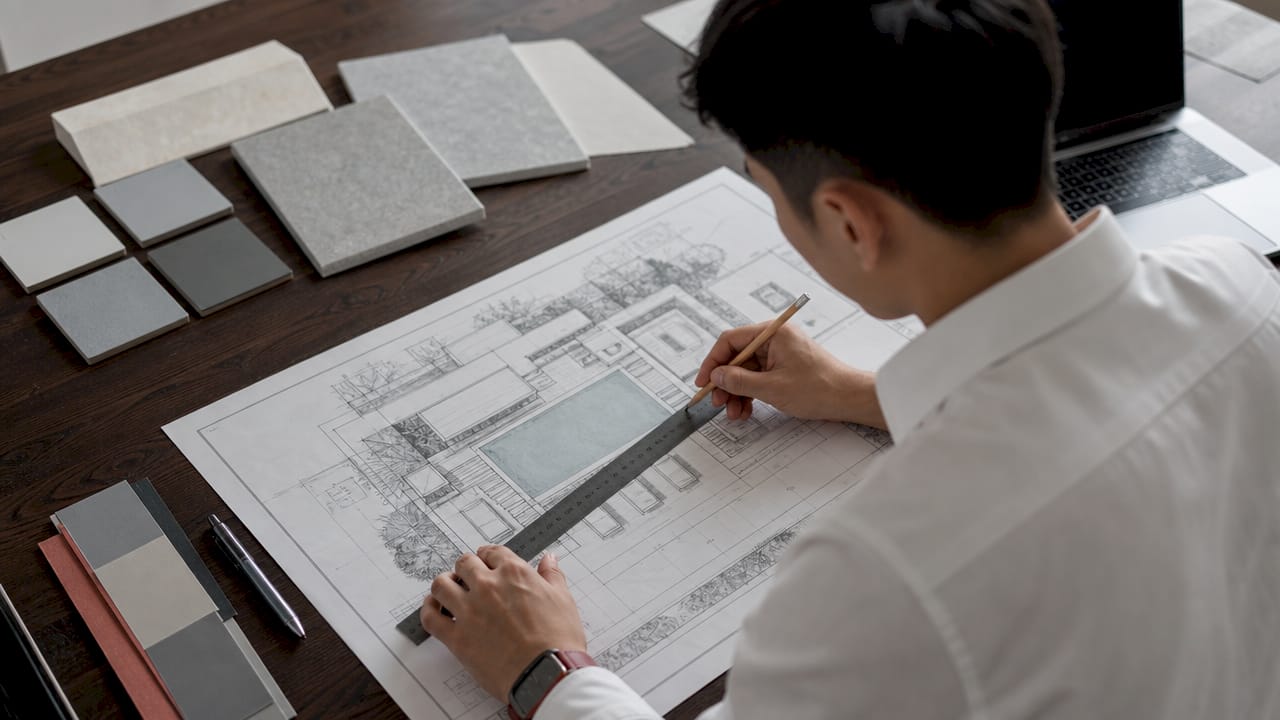
Tropical Oasis leans into the region’s natural abundance. Freeform pool shapes follow the organic contours of the yard, and lush plantings press close to the water’s edge. The goal is immersion in the landscape rather than contrast with it. This style works especially well on larger lots where the pool can anchor a full outdoor garden.
Traditional Lowcountry draws from the region’s plantation and colonial heritage. Symmetrical layouts, brick or tabby coping, and formal garden elements give these pools a timeless quality. They suit historic properties and homeowners who want a pool that looks like it has always been there.
| Style | Shape | Primary Materials | Ambiance |
|---|---|---|---|
| Lowcountry Modern | Geometric | Bluestone, light concrete | Clean, contemporary |
| Tropical Oasis | Freeform | Natural stone, wood decking | Lush, immersive |
| Traditional Lowcountry | Symmetrical | Brick, tabby, formal pavers | Timeless, formal |
Pro Tip: Choose your pool style by standing at the back of your property and looking toward the house. The pool should feel like a natural extension of what you see, not a correction of it.
What features distinguish Lowcountry pools?
The features that define Lowcountry pools are a direct response to the region’s environment. Each one solves a specific problem or captures a specific opportunity that generic pool design ignores.
Infinity edges and perimeter overflows visually merge the pool with coastal marsh views. Subtle elevation changes and overflow channels also accommodate tidal variations, which matter on properties close to the water. The effect is a pool that appears to dissolve into the landscape.
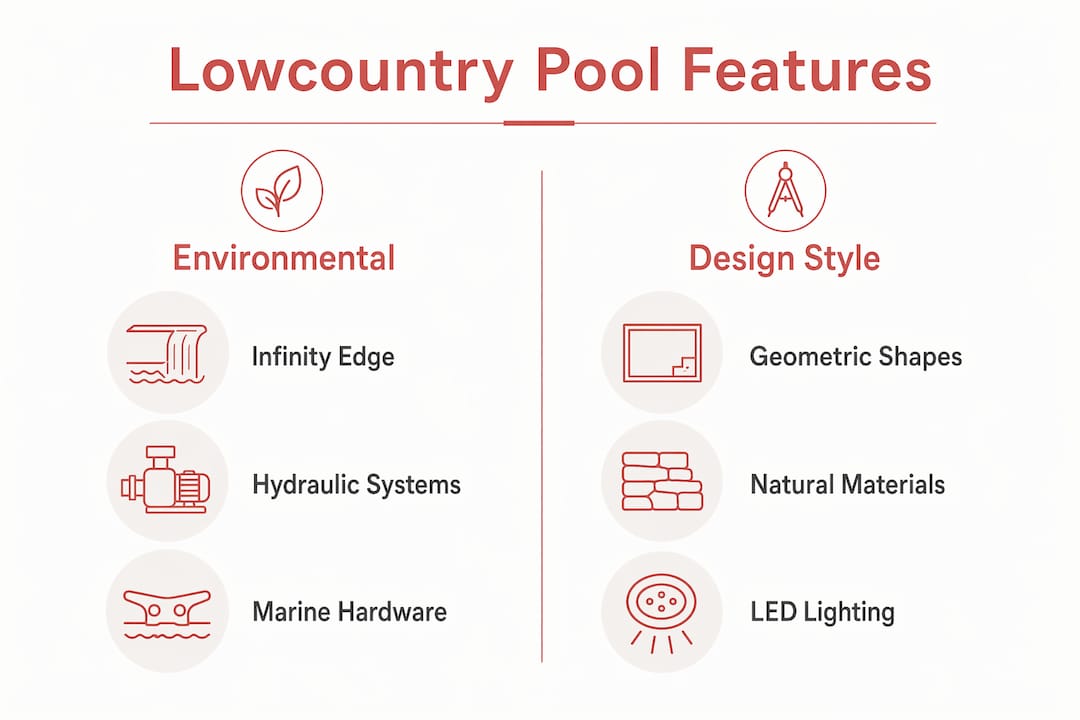
Concealed LED lighting is another signature element. Thoughtful lighting choices highlight textures and edges after sunset without cluttering the visual field. The goal is ambiance, not spectacle. Fixtures are recessed into coping, steps, and water features so the light source stays hidden.
The “spool” is one of the fastest-growing formats in the region. A spool combines spa comfort with pool cooling features in a compact footprint, making it ideal for smaller Lowcountry lots where a full-size pool is not practical. It delivers dual functionality without sacrificing the luxury feel.
Signature features found across Lowcountry pools include:
- Infinity or perimeter overflow edges aligned with marsh or water views
- Submerged bar seating and tanning ledges for social use
- Concealed LED lighting in steps, coping, and water features
- Spools for compact lots requiring both spa and pool function
- Corrosion-resistant materials suited to salt air and high humidity
- Hydraulic filtration systems calibrated for coastal water chemistry
- Custom pool water features like sheer descents and bubblers
Pro Tip: Specify marine-grade stainless steel for all hardware, including handrails and light fixtures. Standard stainless corrodes visibly within two seasons in a salt-air environment.
How does Lowcountry pool design integrate with outdoor living?
A Lowcountry pool that sits in isolation from the rest of the yard is a missed opportunity. The strongest designs treat the pool as the anchor of a full outdoor living system, where every zone connects to the next.
Hardscaping harmony is the foundation of that connection. Matching pool coping with patio pavers creates visual flow from the water’s edge to the dining area to the fire pit. When materials change abruptly, the eye registers the break and the space feels smaller. Consistency in stone type, color, and finish makes a yard feel larger and more intentional.
Native plants like Sabal Palmettos and wax myrtles serve a practical purpose beyond aesthetics. They create natural privacy screens without requiring fences, and they thrive in the Lowcountry’s humidity and salt exposure without heavy maintenance. Planting them in layered groupings around the pool perimeter softens the hardscape and frames views without blocking them.
Best practices for outdoor living integration in Lowcountry pool design:
- Align the pool’s long axis with the property’s primary view, whether that is a marsh, a tree line, or an open lawn.
- Match coping and paver materials across all hardscaped zones to create a unified surface.
- Place the outdoor kitchen or bar within direct sightline of the pool so hosts can engage with guests in the water.
- Use native plantings for privacy and perimeter definition rather than fencing where local codes allow.
- Position fire features at the far end of the pool deck to draw movement through the space and extend evening use.
- Plan electrical and gas runs during pool construction to avoid costly retrofits when adding lighting or cooking equipment later.
A well-integrated outdoor space also adds measurable value to the property. Buyers in Charleston and Bluffton consistently prioritize outdoor living, and a pool that anchors a complete outdoor room commands a stronger premium than a pool that stands alone.
What are the practical benefits of Lowcountry-specific pool designs?
Lowcountry-specific pool design delivers functional advantages that generic pool construction cannot match. These benefits show up in durability, operating costs, and long-term property value.
Charleston’s soil and water table require advanced engineering during construction. Tidal marsh proximity creates hydrostatic pressure that can crack or shift a pool shell built to inland standards. Aquabluepools addresses this through site-specific structural design, including reinforced shells and drainage systems calibrated to local soil conditions. That engineering investment protects the pool for decades.
Balanced hydraulic systems reduce chemical usage while maintaining clear water and surface longevity in the humid coastal climate. Efficient circulation means fewer chemical corrections, lower operating costs, and a pool surface that holds its finish longer. This is not a minor detail. Chemical imbalance is the leading cause of premature plaster and tile failure in coastal pools.
Lighting designed for evening use extends the functional hours of the pool without adding maintenance burden. Concealed LEDs on low-voltage systems are reliable, energy-efficient, and require minimal servicing compared to older halogen fixtures.
| Benefit | Generic Pool Design | Lowcountry-Specific Design |
|---|---|---|
| Structural durability | Standard inland engineering | Reinforced for tidal soil and hydrostatic pressure |
| Water chemistry | Standard filtration | Hydraulic systems calibrated for coastal humidity |
| Evening usability | Basic lighting | Concealed LED systems for ambiance and function |
| Landscaping | Ornamental plants | Native species for low maintenance and privacy |
| Property value | Pool as amenity | Pool as anchor of full outdoor living system |
Aquabluepools brings more than 100 years of combined industry experience to every project, which means the engineering decisions that protect your investment are informed by real regional history, not general practice.
Key Takeaways
Lowcountry pool design is the most effective approach for coastal homeowners because it addresses regional climate, soil conditions, and lifestyle in a single, cohesive plan.
| Point | Details |
|---|---|
| Regional style matters | Choose from Lowcountry Modern, Tropical Oasis, or Traditional styles based on your property’s architecture. |
| Signature features | Infinity edges, spools, concealed LED lighting, and native landscaping define the Lowcountry pool. |
| Outdoor living integration | Match coping and pavers, use native plants, and align the pool with your property’s primary view. |
| Engineering is non-negotiable | Tidal soil and hydrostatic pressure require site-specific structural design to protect long-term durability. |
| Hydraulic efficiency pays off | Calibrated filtration systems reduce chemical costs and extend surface life in the coastal climate. |
The restraint principle: what most pool designs get wrong
The most common mistake I see in Lowcountry pool projects is excess. Homeowners arrive with inspiration boards full of waterfalls, grottos, swim-up bars, fire bowls, and color-changing lights. Each feature is appealing on its own. Together, they compete for attention and produce a yard that feels like a resort amenity rather than a home.
True Lowcountry luxury is defined by restraint and balance. The best pools I have seen in Charleston and Bluffton do two or three things exceptionally well. A clean infinity edge that frames a marsh view. A single sheer descent that adds sound without visual noise. Lighting that makes the water glow at 9:00 PM without turning the yard into a stage set.
The Lowcountry itself teaches this lesson. The landscape here is already extraordinary. A pool that competes with it loses. A pool that complements it wins every time. That means editing your feature list, not expanding it.
Technology is changing what restraint looks like. Automated chemical dosing, variable-speed pumps, and app-controlled lighting systems now handle complexity invisibly. The homeowner gets a pool that performs at a high level without visible equipment or constant attention. That is the direction the best luxury pool designs are moving, and it aligns perfectly with the Lowcountry’s design sensibility.
My practical advice: invest the majority of your budget in structure, hydraulics, and lighting. Add features selectively, and give each one space to be noticed. A pool built with that discipline will look better in twenty years than it does on opening day.
— SEO
Aquabluepools: Lowcountry pool design built from the ground up
Aquabluepools has designed and built custom residential pools across Charleston, Bluffton, Hilton Head Island, Beaufort, and Savannah since 1991. As the region’s only Master Pool Builder, Aquabluepools brings site-specific engineering, regional design expertise, and full-service support to every project.
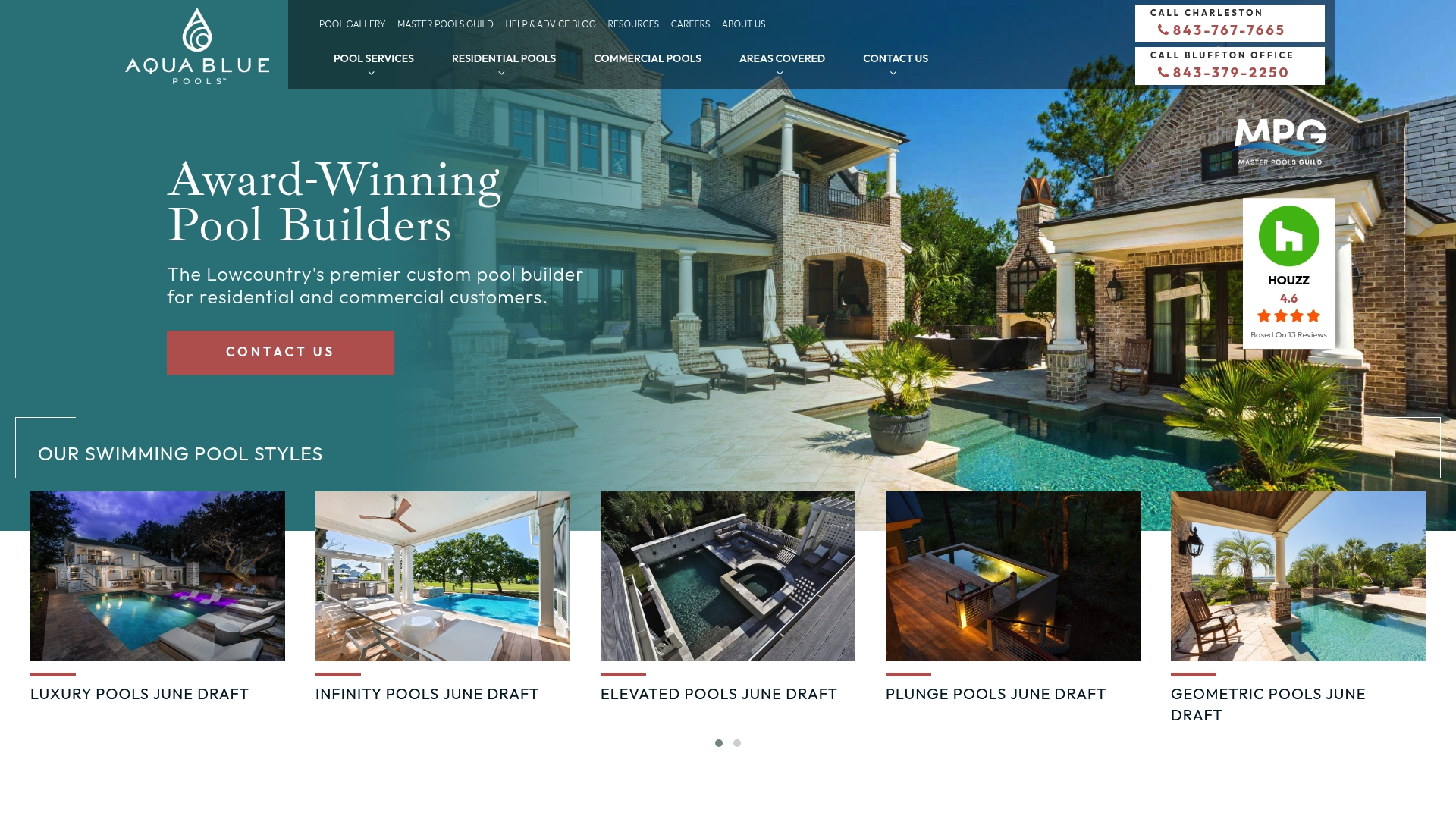
Whether you are planning a new build, a renovation, or a complete outdoor living overhaul, Aquabluepools handles design, construction, and ongoing maintenance under one roof. Their team understands the soil conditions, tidal considerations, and architectural traditions that make Lowcountry pool design different from anywhere else. Explore luxury pool options or connect directly to start planning your project.
FAQ
What is Lowcountry pool design?
Lowcountry pool design is a coastal, climate-adapted approach to custom pool building that integrates regional architecture, native landscaping, and outdoor living features specific to communities like Charleston, Bluffton, and Hilton Head Island.
What makes a Lowcountry pool different from a standard pool?
Lowcountry pools require specialized engineering for tidal soil and hydrostatic pressure, hydraulic systems calibrated for coastal humidity, and design elements like infinity edges and native plantings that respond to the regional environment.
What is a spool, and is it right for my Lowcountry property?
A spool is a compact unit that combines spa and pool functions in a smaller footprint. It suits Lowcountry lots where space is limited but homeowners still want dual-purpose water features.
What native plants work best for Lowcountry pool landscaping?
Sabal Palmettos and wax myrtles are the top choices for Lowcountry pool landscaping. Both species thrive in salt air and high humidity, and they create natural privacy screens without requiring fences.
How does lighting affect a Lowcountry pool design?
Concealed LED lighting highlights pool textures and edges after sunset while maintaining visual elegance. Low-voltage LED systems are energy-efficient, long-lasting, and require far less maintenance than older halogen fixtures in coastal conditions.